What Makes Promotional Products Feel Premium, or Forgettable in 2026 and beyond? New Research Reveals.
For years, promotional products were judged differently from retail items. That is no longer the case. According to new PPAI consumer research, today’s consumers evaluate promotional products using the same standards they apply to products they buy for themselves. Does it pass the 5-second test?
The Product Power 2026 study surveyed more than 5,000 U.S. consumers and reveals a clear message for brands. Quality is no longer a nice to have. It is the price of entry.
If a promotional product feels well-made, consumers assume the brand behind it is too. If it feels cheap or careless, the brand pays the price. This fits in line with 2026 trending promotional products.
Promotional Products Are Judged Like Retail Products
One of the most important findings from the research is that promotional products are no longer given a pass just because they are free.
Consumers now judge branded items by the same criteria as store-bought products. That means durability, design, materials, and functionality all matter immediately.
The research shows what consumers associate with quality in 2026:
- 70.4 percent say durability signals quality
- 65.2 percent point to design
- 58.2 percent notice materials
- 44.0 percent value functionality
- 32.1 percent consider packaging
- 25.0 percent look at eco features
These elements determine whether a promotional item feels premium or forgettable.
In short, quality is not optional anymore. See the top 5 promotional product categories that recipients keep and use.
Why Cheap Promotional Products Hurt Your Brand
Low-cost items may seem to save money upfront, but research shows they can quietly erode brand trust.
When consumers were asked what makes a promotional product feel cheap or forgettable, the answers were clear:
- 62.0 percent cite low durability
- 54.7 percent say poor design
- 42.5 percent say the product feels irrelevant
- 27.9 percent point to non-sustainable materials
- 25.3 percent say the category feels overused
- 24.8 percent blame poor branding
Cheap is not neutral. Cheap sends a signal that the brand did not try, and that perception sticks.
If a product will not last or does not fit into someone’s life, it reflects directly on the brand that gave it.
What Makes a Promotional Product Feel Premium
Premium is not about extravagance or flash. It is about perception.
According to the research, consumers draw a clear line between everyday giveaways and premium promotional products based on price and quality expectations.
The study found:
- 39.6 percent say products feel premium in the $10 to $25 range
- 38.2 percent say products over $25 feel premium
- Only 19.4 percent say $5 to $10 qualifies
- Just 2.7 percent consider items under $5 to be premium
This means premium starts earlier than many brands assume. You do not need luxury pricing to deliver a premium experience. You need thoughtful product selection and quality execution.
As one consumer put it, “If it feels like something I would actually buy, it feels premium to me.”
Quality Is a Brand Signal, Not Just a Product Feature
The research makes one thing very clear. Consumers do not separate the product from the brand.
If a promotional item feels durable, well-designed, and useful, consumers assume the brand is trustworthy and professional. If the item feels cheap, forgettable, or irrelevant, they assume the same about the brand.
Promotional products are silent brand ambassadors. They communicate quality, or lack of it, every time they are used.
What This Means for Your Promotional Strategy
The takeaway from the Product Power 2026 research is simple. Brands must stop thinking in terms of the cheapest possible giveaways and start thinking in terms of perceived value.
Smarter promotional strategies focus on:
- Fewer items with higher quality
- Products people would actually choose for themselves
- Design that feels intentional, not generic
- Categories that fit the audience and moment
- Branding that enhances the product, not overwhelms it
A slightly higher investment per item often delivers far more return in brand trust, usage, and longevity.
Why Choosing the Right Partner Matters
Navigating quality, value, and perceived premium thresholds is not always obvious. That is where experience matters. Perfect Imprints helps businesses choose promotional products that align with how consumers actually think and behave. That means recommending items that feel retail quality, selecting the right price tier for the goal, and designing branding that supports the product instead of competing with it.
The data confirms what we see every day. Promotional products work best when they feel worth keeping.
Final Thoughts
The promotional products landscape has changed. Consumers expect more, notice more, and judge brands accordingly.
Quality is no longer optional. Premium starts sooner than you think. And cheap giveaways can quietly cost you more than they save.
When your promotional products feel well-made, useful, and intentional, your brand does too.
If you want help selecting promotional items that meet modern expectations and create real brand value, Perfect Imprints is here to help.
Reference:“What Makes Consumers Consider A Promo Product Premium?” PPAI.See the PDF here.
Order Custom Promotional Product Ideas Today
Our team can help you pick the right product, decoration, and quantity for your project. Reach out and we’ll send tailored ideas — usually within one business day.
See Related Blogs About Promotional Product Ideas
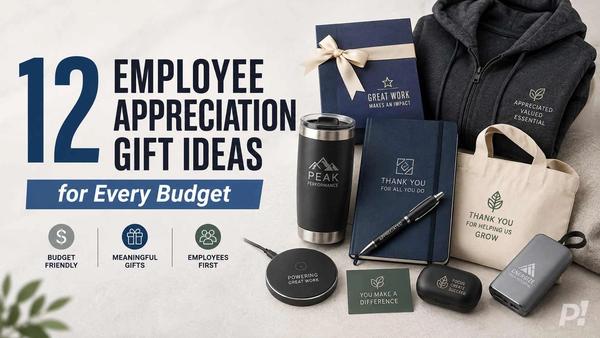
12 Employee Appreciation Gift Ideas for Every Budget
Looking for employee appreciation gift ideas that fit any budget? This list of 12 bulk promotional gifts covers everything from custom water bottles to tech accessories, helping you show gratitude without breaking the bank.
Best Trade Show Giveaways for 2026 That Actually Work
Trade shows are one of the most expensive marketing investments most companies make, yet the majority of giveaways handed out at these events are forgotten before attendees even leave the building. Th…
Go Long at Your Next Tailgate with the 6 Inch Mini Plastic Footballs
As you saw in the video, these 6" plastic mini footballs feature your logo in a way that demands attention. These mini footballs are perfect for tailgates, pep rallies, or trade show giveaways. These…
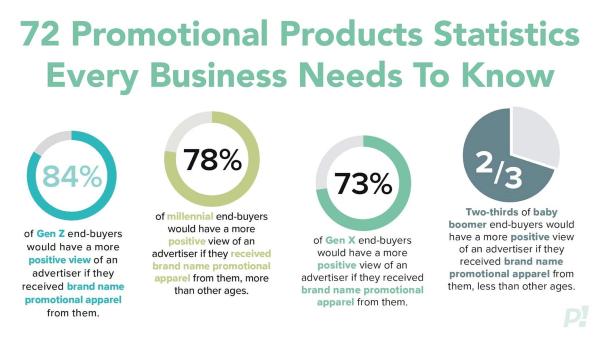
72 Promotional Products Statistics Every Business Needs To Know (2025+ Data)
If you want your marketing dollars to work harder, you need to understand what actually influences your audience. The latest research from 2025 and newer studies shows that promotional products are…
10 Ways to Combine Promotional Products and AI
Promotional products have always been a powerful way to keep your brand in front of customers. But there has always been one major limitation. You could not easily track what happened after you…
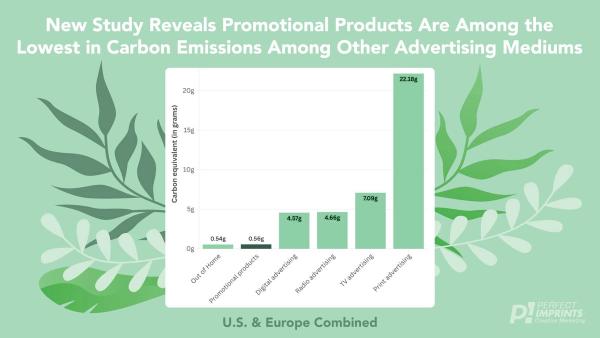
New Study Reveals Promotional Products Are Among the Lowest in Carbon Emissions Among Other Advertising Mediums
There has been a long-standing belief in marketing. Digital advertising is cleaner. Physical products create more waste. Therefore, promotional products must have a larger environmental impact. New…