
New Study Reveals Promotional Products Are Among the Lowest in Carbon Emissions Among Other Advertising Mediums
There has been a long-standing belief in marketing. Digital advertising is cleaner. Physical products create more waste. Therefore, promotional products must have a larger environmental impact.
New research is challenging that assumption in a big way.
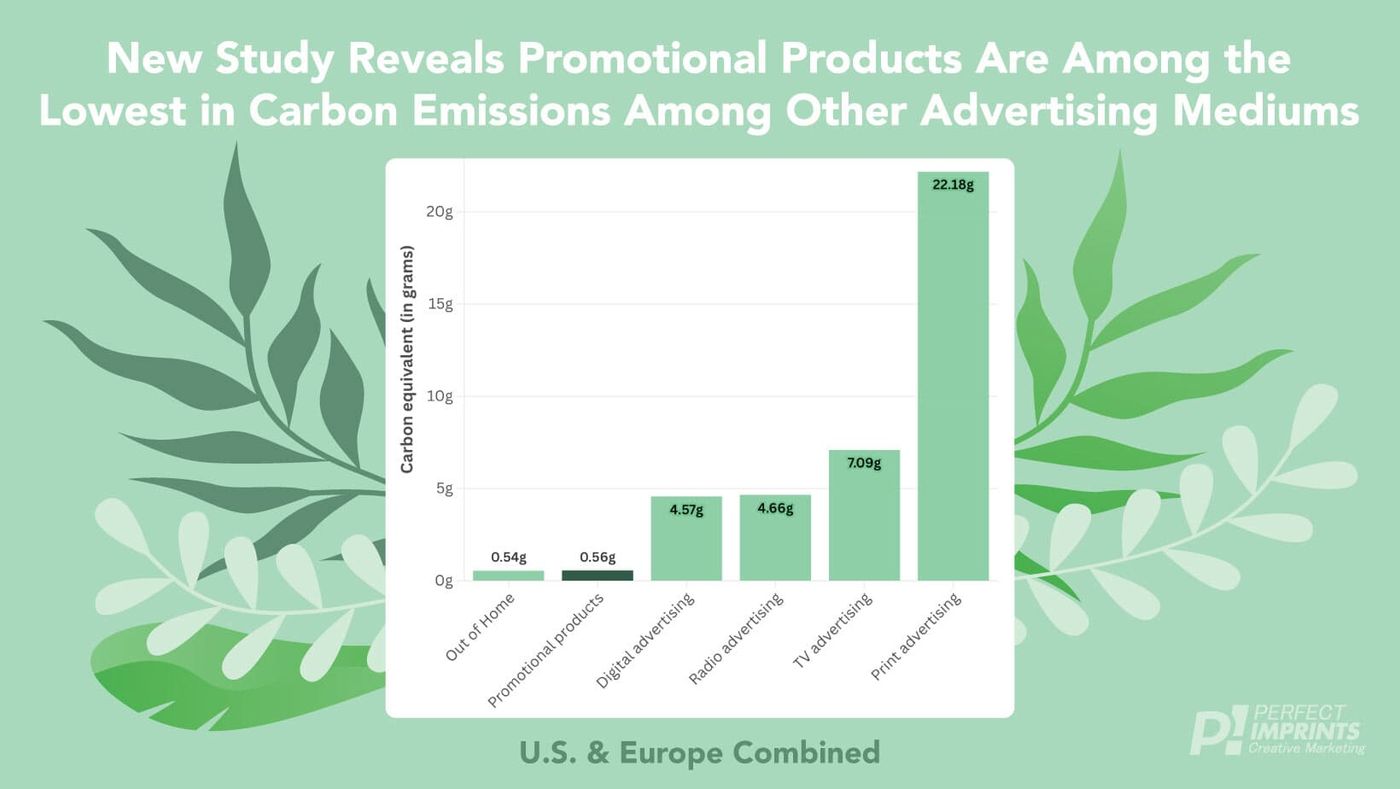
A joint study conducted by the Advertising Specialty Institute and the Promotional Products Association International found that promotional products are among the lowest in carbon emissions among other advertising mediums.1,2
More importantly, the study did not just look at production. It looked at effectiveness. That is where the real story is.
When you measure both environmental impact and marketing performance together, promotional products stand out as one of the most efficient channels available today.
The Shift in How We Measure Marketing Impact
For years, marketing has been measured by cost per impression. The cheaper the impression, the better the campaign. See the top 10 promotional items with a cost per impression of less than a penny each!
But sustainability is changing that conversation.
Today, businesses are starting to ask a better question.
How much impact does each impression create, and what is the environmental cost of that impact?
The ASI and PPAI study introduces three key ways to evaluate this:
- Carbon impact per memorized impression
- Carbon equivalent emitted by amount spent
- Carbon comparison per media campaign
As businesses continue to focus on ESG goals and sustainability initiatives, these metrics give a more complete picture of both performance and sustainability.
1. Carbon Impact Per Memorized Impression
U.S. & Europe Combined
U.S. Only
Europe Only
One of the most important findings from the study is this.
Promotional products have a significantly lower carbon impact when you measure how well people actually remember the advertising.
This is called carbon impact per memorized impression.
Instead of just asking how many people saw an ad, this metric focuses on how many people actually remember it. That is what drives real business results.
The study found that promotional products can have up to eight times lower carbon impact per memorized impression than digital advertising.
That is a massive difference.
Why does this happen?
Promotional products are used repeatedly.
A digital ad might be seen once for a few seconds.
A promotional product might be used hundreds or even thousands of times.
Each use creates another brand impression without creating additional carbon emissions.
That makes promotional products one of the most efficient forms of advertising when measured over time.
You can see this concept in action in our blog on
promotional products by generation research, where usefulness drives long-term engagement and repeated exposure.
2. Carbon Equivalent Emitted by Amount Spent
U.S. & Europe Combined
U.S. Only
Europe Only
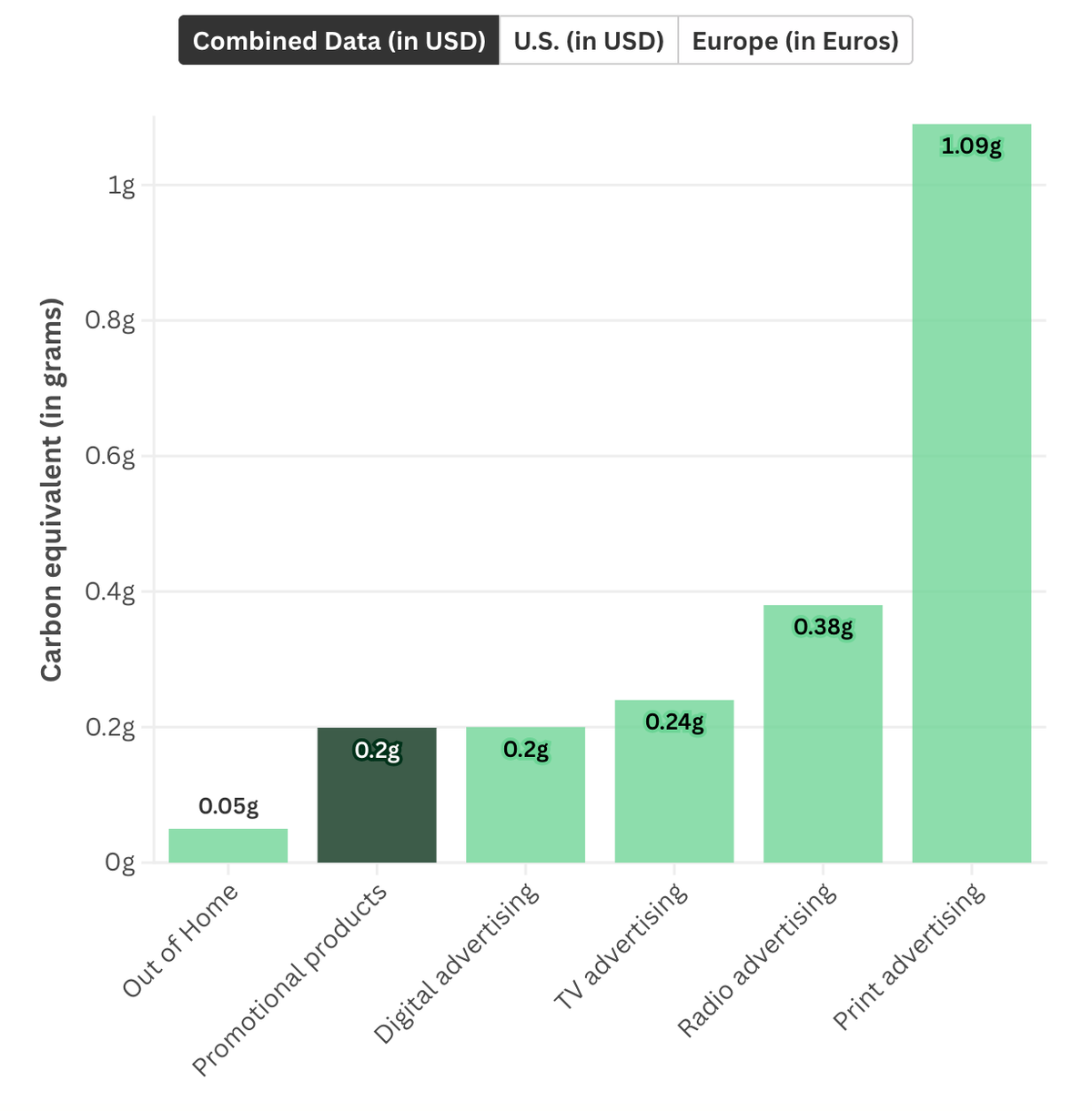
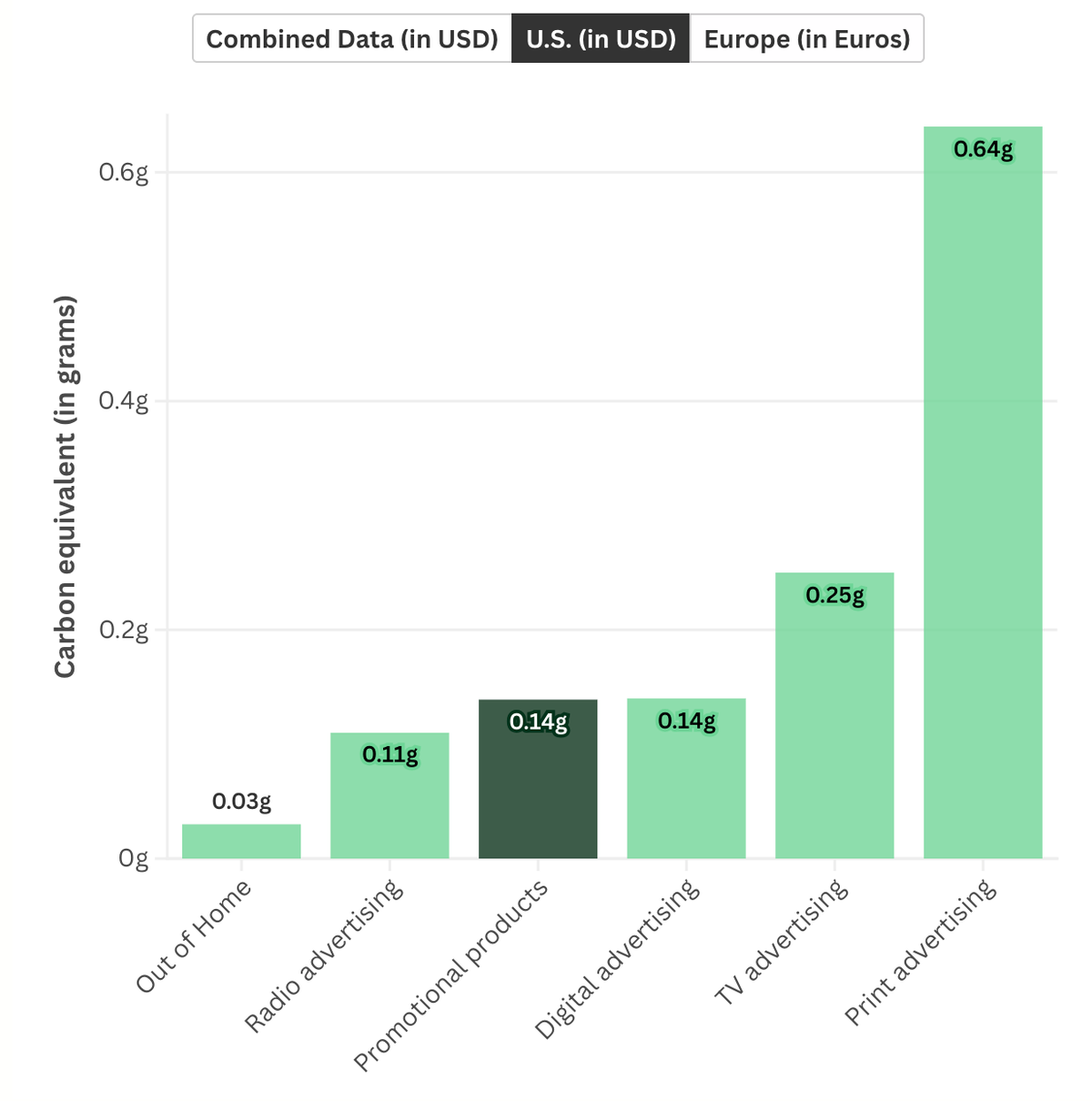
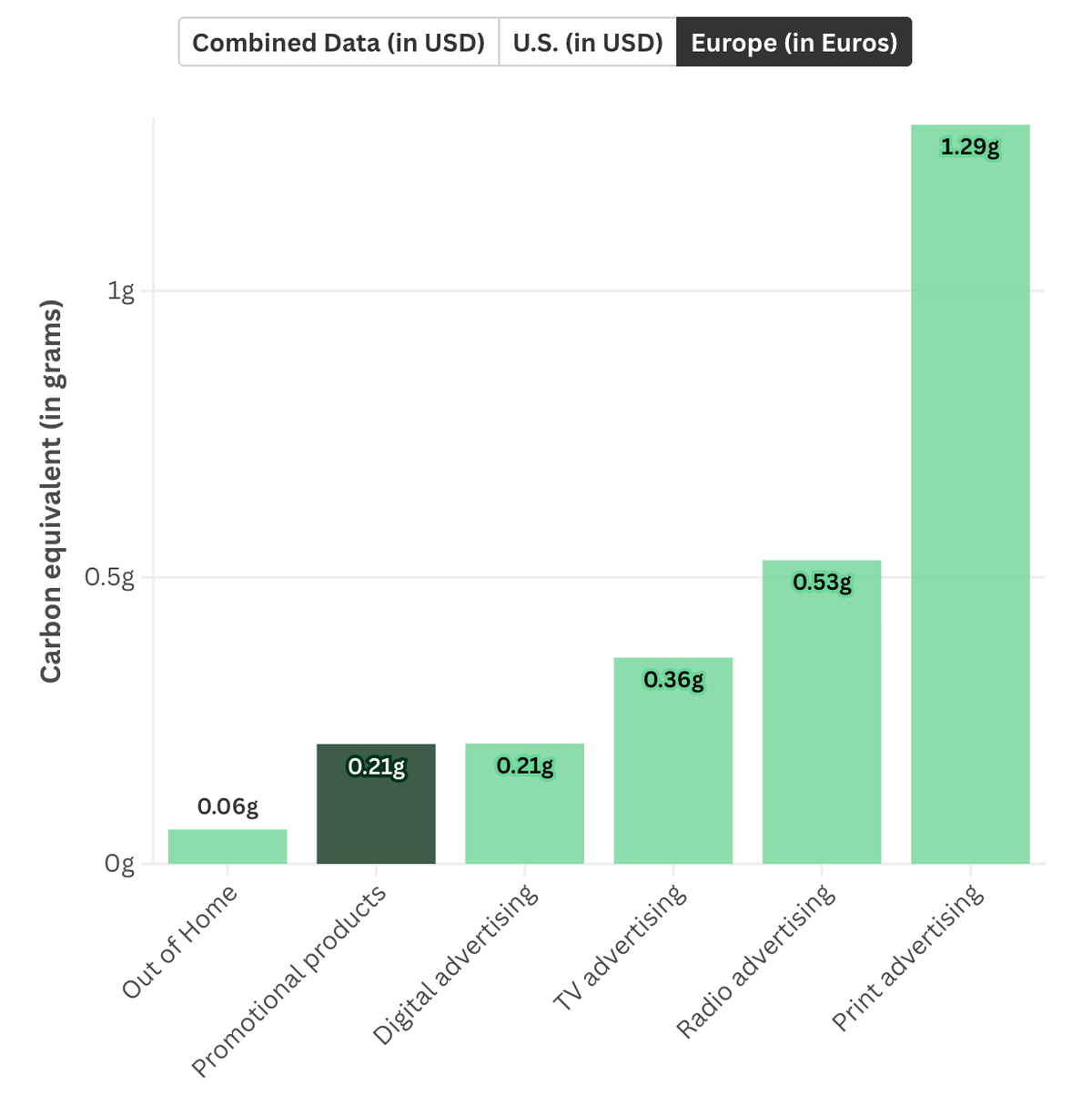
Another key finding from the study looks at carbon output based on how much money is spent.
This is important because most marketing decisions are budget driven.
The question becomes: How much carbon is generated for every dollar spent on advertising?
The research shows that promotional products deliver strong results here as well. Because they generate long-term use and repeated impressions, they spread their carbon footprint across a much longer lifespan.
In contrast, many advertising channels require ongoing spend to maintain visibility.
Digital ads, for example, require continuous delivery through servers, networks, and data centers. Every impression has an ongoing energy cost.
Promotional products are different.
They are produced once, but they continue to deliver value over time.
This aligns with previous research showing that promotional products deliver extremely low cost per impression and long-term ROI.
When you combine cost efficiency with lower carbon impact over time, promotional products become a strong choice for businesses looking to maximize both performance and sustainability.
3. Carbon Comparison Per Media Campaign
U.S. & Europe Combined
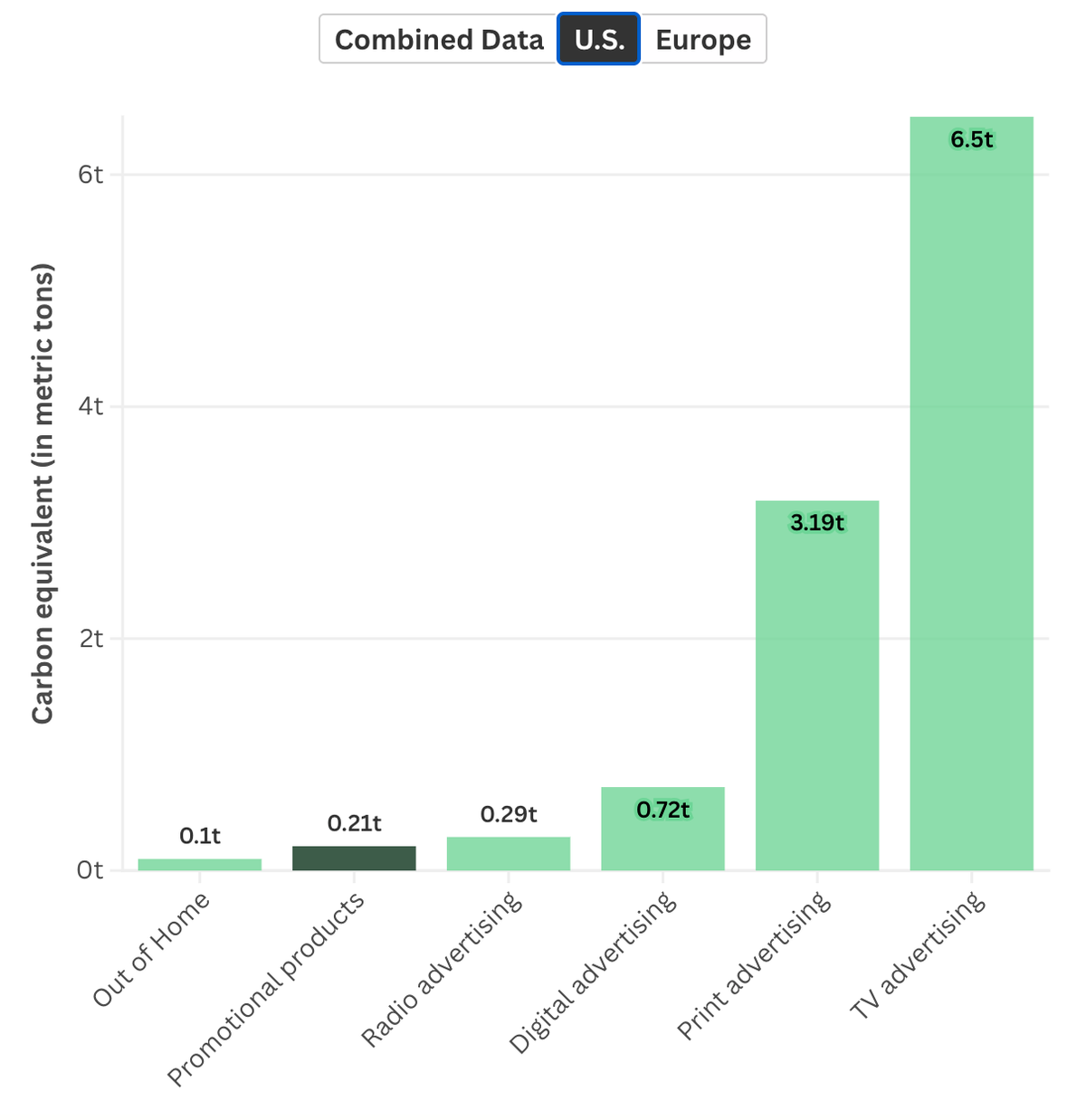
U.S. Only
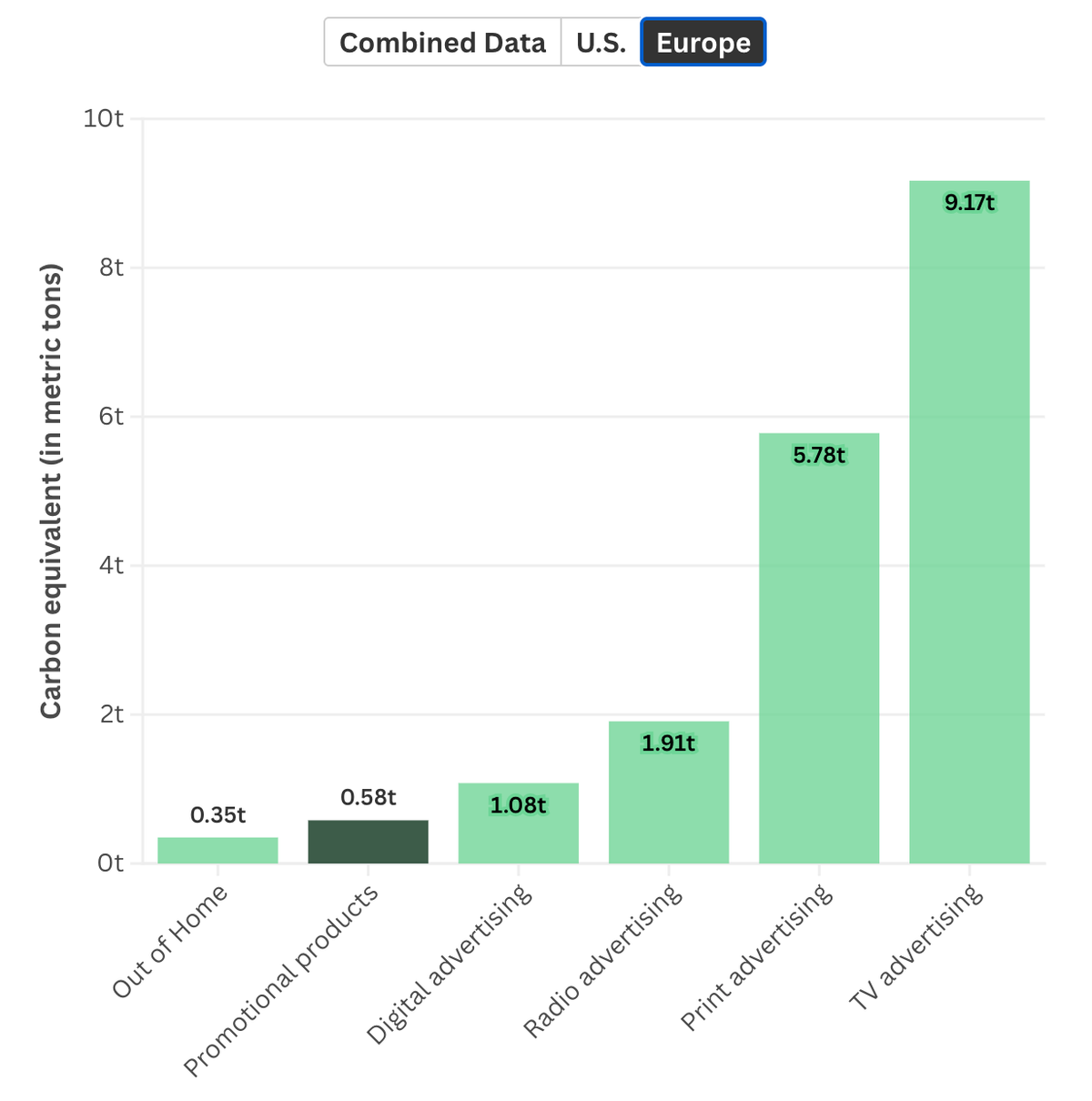
Europe Only
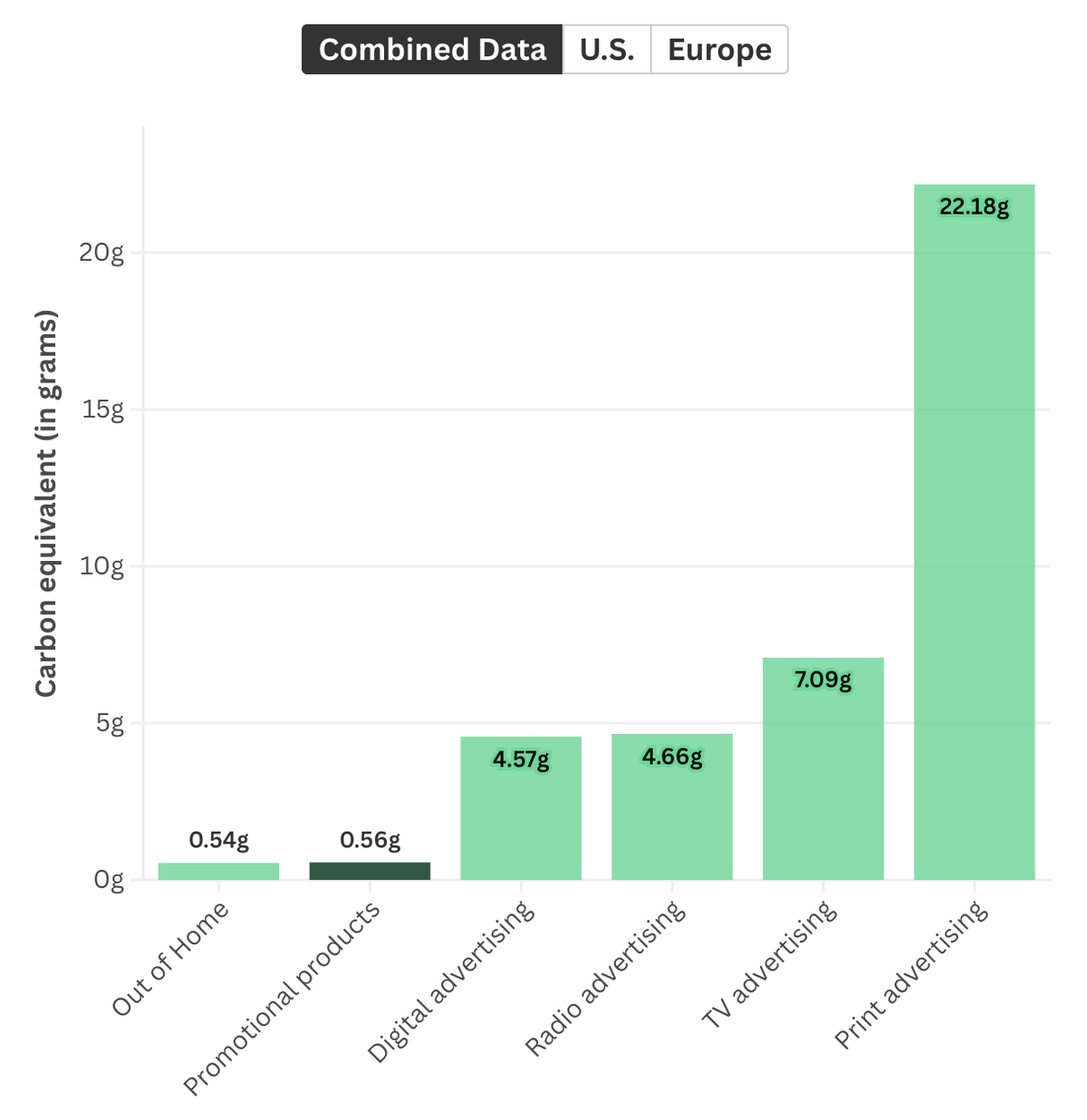
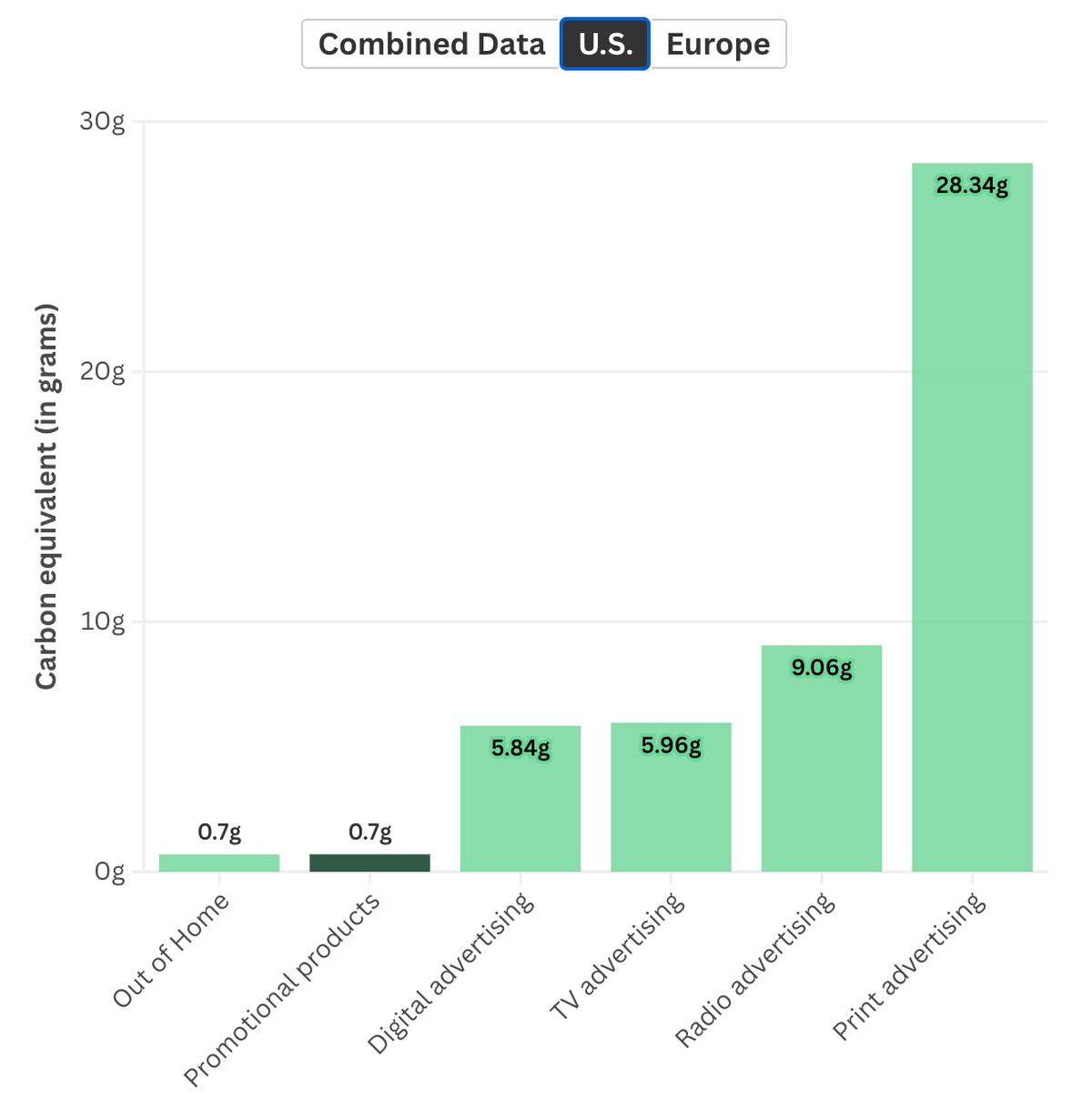
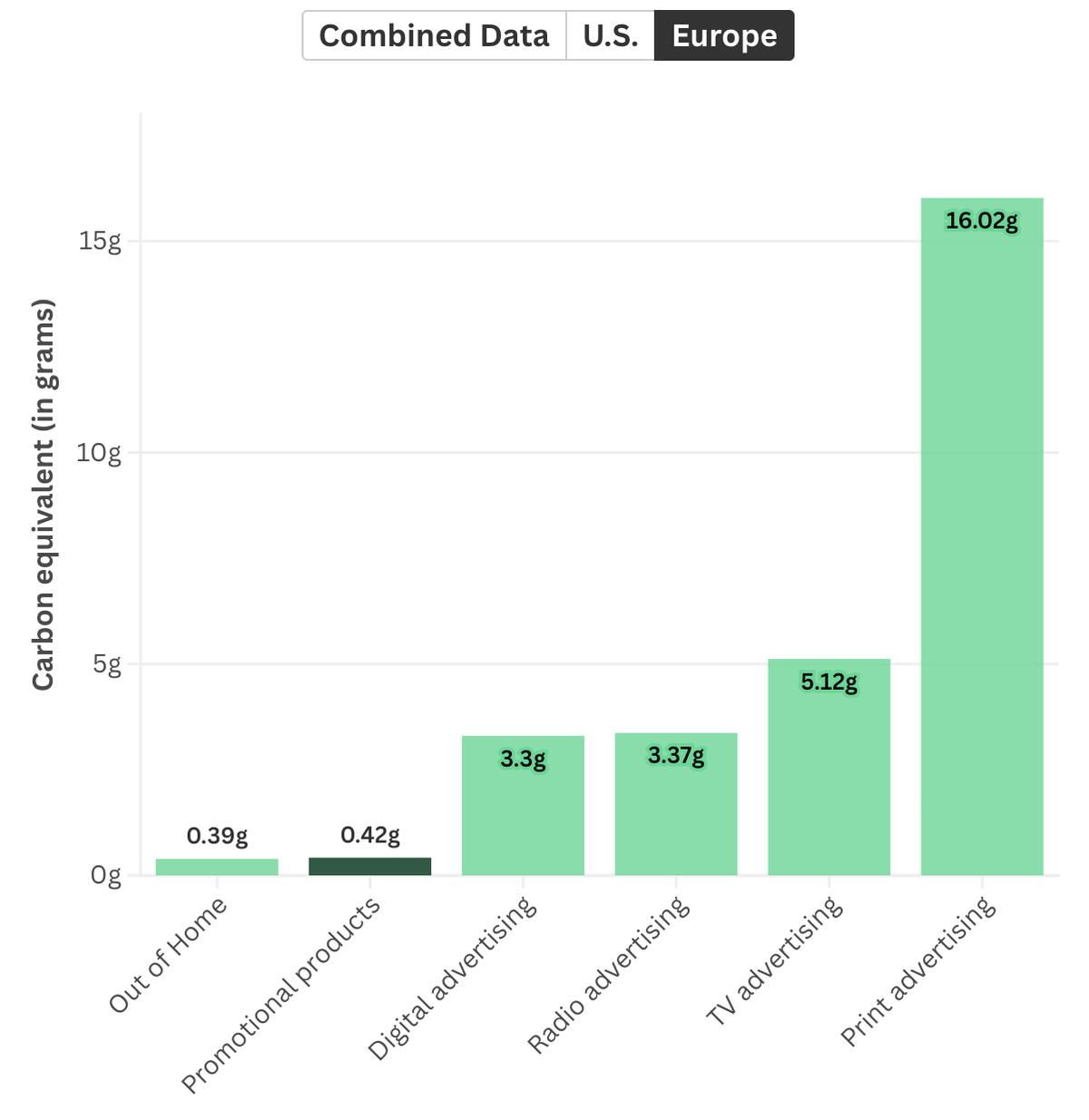
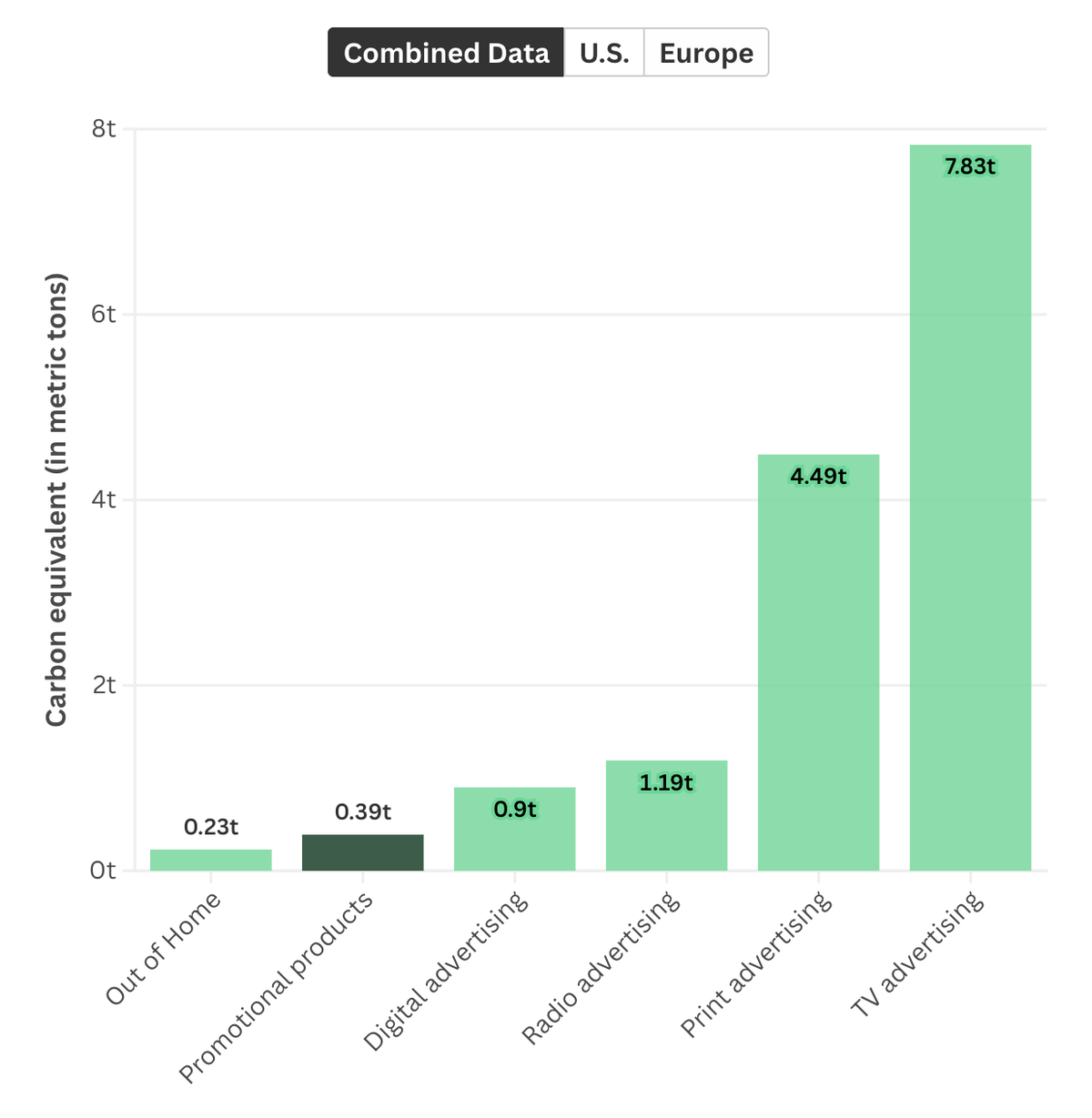
The third major takeaway from the study is how promotional products compare directly to other advertising channels.
The study evaluated multiple forms of media, including:
- Digital advertising
- Television
- Radio
- Out-of-home advertising
Across these categories, promotional products consistently ranked among the most carbon-efficient options.
This is where many assumptions are challenged.
Digital advertising is often viewed as “clean” because it is not physical. But every digital impression requires energy. Servers, storage, and data transfer all contribute to carbon emissions.
Promotional products, on the other hand, are physical, but they deliver ongoing impressions without additional energy input after production.
That long-term usage is what drives their efficiency.
Why Longevity Changes Everything
The biggest factor behind these findings is simple.
Promotional products last.
Research shows that useful promotional products are often kept for extended periods, with many items generating thousands of impressions over their lifetime.
That longevity spreads the environmental impact across many interactions.
Compare that to other channels.
A digital ad disappears after seconds.
A print ad is discarded after one read.
A radio ad is gone as soon as it airs.
Promotional products continue working.
A branded mug gets used every morning.
A tote bag gets carried every week.
A piece of apparel gets worn for years.
That repeated use creates both marketing value and environmental efficiency.
Consumer Expectations Are Driving the Change
Sustainability is no longer a niche concern. It is becoming a standard expectation.
Research shows that more businesses and consumers are actively looking for environmentally responsible options when choosing promotional products.
At the same time, promotional products continue to be one of the most engaging forms of advertising.
Consumers not only keep them, they value them. They create emotional connections and positive brand experiences.
That combination is powerful.
You are not just reducing environmental impact.
You are increasing engagement at the same time.
The Role of Product Selection
Not all promotional products perform equally.
The most effective and sustainable products share a few key characteristics: They are useful
They are durable
They fit into everyday routines
They are designed well
If a product gets used regularly, it continues to generate impressions without additional carbon impact.3
If it gets thrown away, it loses both marketing value and environmental efficiency.
This is why product selection matters so much.
You can learn more about this in our blog on what makes promotional products feel premium, where usefulness and quality drive long-term retention.
What This Means for Your Marketing Strategy
This research changes how businesses should think about promotional products.
Instead of viewing them as simple giveaways, they should be seen as a long-term marketing channel.
Promotional products offer:
- High memorability
- Repeated exposure
- Strong return on investment
- Lower carbon impact per impression
That combination is difficult to match with other advertising channels.
For businesses looking to balance performance, cost, and sustainability, promotional products are one of the most efficient options available.
Final Thoughts
The conversation around marketing is evolving.
It is no longer just about reach or cost. It is about impact.
The ASI and PPAI study makes one thing clear.
Promotional products are among the lowest in carbon emissions among other advertising mediums when measured against their effectiveness.
They deliver long-term impressions, create meaningful brand connections, and do so with lower environmental impact per memorized impression.
When chosen correctly, promotional products are not just effective.
They are efficient.
And that is where modern marketing is headed.
References
- "Joint ASI-PPAI Study Finds Promo Among the Lowest Carbon Impact Advertising Channels." Advertising Specialty Institute.
- "Joint PPAI-ASI Study Finds Promo Among The Lowest Carbon Impact Advertising Channels." Promotional Products Association International.
- “Landmark Study Shows Promotional Products Drive High Marketing Impact With a Low Carbon Footprint.” Advertising Specialty Institute.
Other Referenced Articles
- “Do Promotional Products Increase The Likelihood of Consumers Doing Business With You?” Perfect Imprints.
- “What Makes Promotional Products Feel Premium, or Forgettable in 2026 and beyond? New Research Reveals.” Perfect Imprints.
- “Promotional Gifts for Women: What the Data Actually Says.” Perfect Imprints.
- “The 5-Second Impact: Why Promotional Products Win or Lose Almost Instantly.” Perfect Imprints.
- “Top 5 Promotional Products People Actually Keep and Use.” Perfect Imprints.
Order Custom Promotional Product Ideas Today
Our team can help you pick the right product, decoration, and quantity for your project. Reach out and we’ll send tailored ideas — usually within one business day.
See Related Blogs About Promotional Product Ideas
12 Employee Appreciation Gift Ideas for Every Budget
Looking for employee appreciation gift ideas that fit any budget? This list of 12 bulk promotional gifts covers everything from custom water bottles to tech accessories, helping you show gratitude without breaking the bank.


Best Trade Show Giveaways for 2026 That Actually Work
Trade shows are one of the most expensive marketing investments most companies make, yet the majority of giveaways handed out at these events are forgotten before attendees even leave the building. Th…
Go Long at Your Next Tailgate with the 6 Inch Mini Plastic Footballs
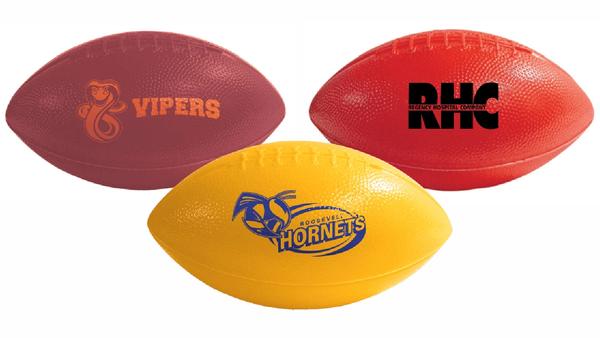
As you saw in the video, these 6" plastic mini footballs feature your logo in a way that demands attention. These mini footballs are perfect for tailgates, pep rallies, or trade show giveaways. These…
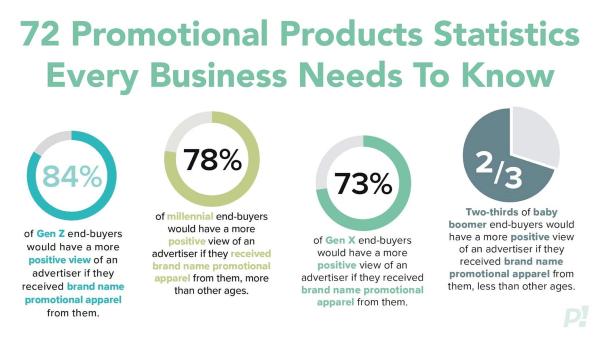
72 Promotional Products Statistics Every Business Needs To Know (2025+ Data)
If you want your marketing dollars to work harder, you need to understand what actually influences your audience. The latest research from 2025 and newer studies shows that promotional products are…
10 Ways to Combine Promotional Products and AI
Promotional products have always been a powerful way to keep your brand in front of customers. But there has always been one major limitation. You could not easily track what happened after you…
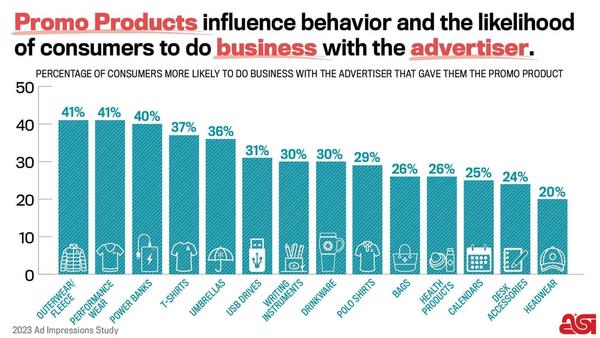
Do Promotional Products Increase The Likelihood of Consumers Doing Business With You?
Promotional products are not just about brand awareness. They directly influence whether someone chooses to do business with you. According to the 2023 Ad Impressions Study by the Advertising Spec…