The 5-Second Impact: Why Promotional Products Win or Lose Almost Instantly
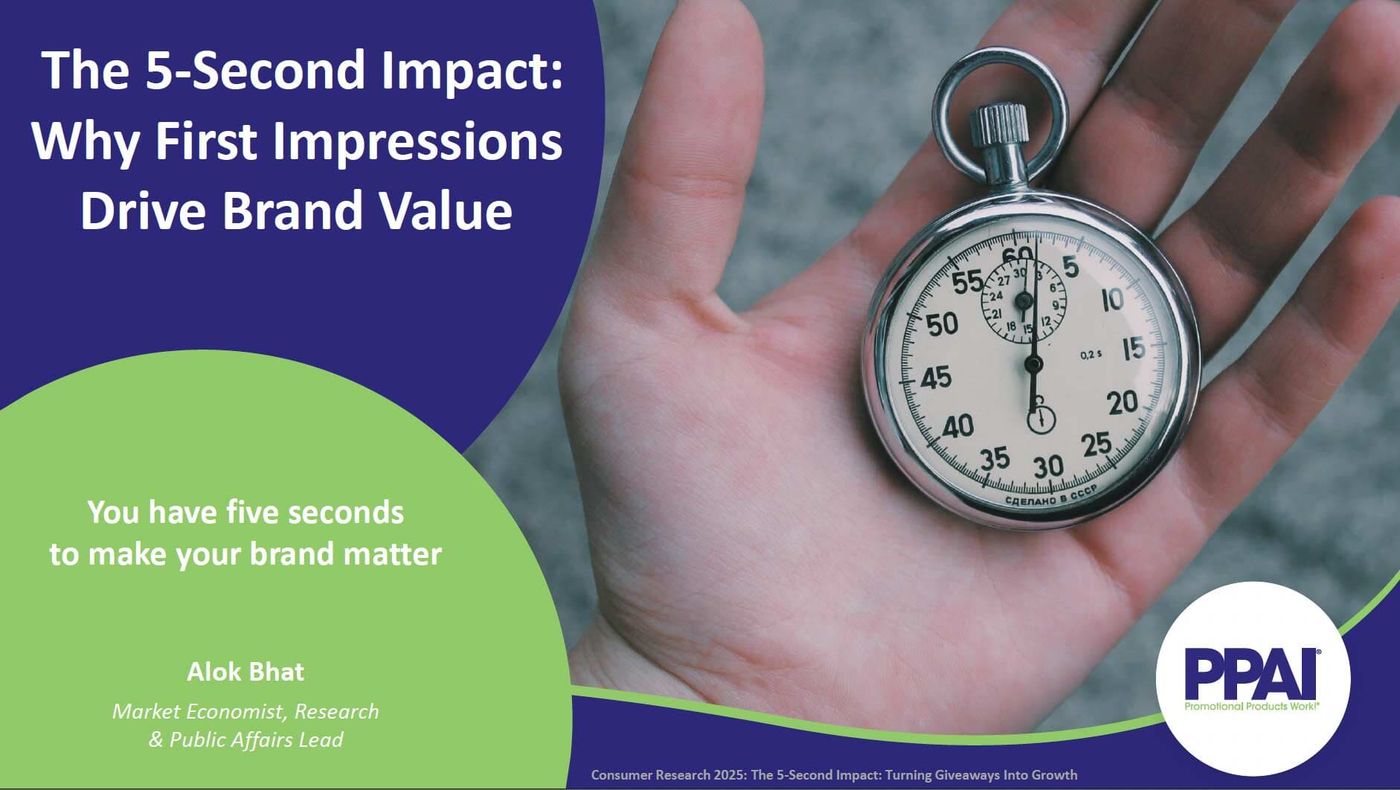
When someone receives a promotional item, the decision happens fast. According to new PPAI consumer research, a promotional product has about five seconds to earn a place in someone’s life or end up forgotten, or worse, thrown away.
That short window explains why some promotional items get used for years while others never make it past the event floor. It also highlights why promotional products continue to outperform many digital marketing channels when they are done right.
The 2025 PPAI Consumer Research study, titled The 5-Second Impact: Turning Giveaways Into Growth, surveyed 1,000 U.S. consumers and revealed exactly what makes a promotional product stick and what causes it to fail.
Why Promotional Products Still Outperform Digital Ads
Digital ads fight for attention in crowded feeds. Promotional products live in the real world.
According to the research, promotional products do more than create awareness. They drive real action:
- 61 percent of consumers remember the brand from their most recent promotional product
- 77 percent looked up the brand after receiving an item
- 72 percent purchased because of a promotional product
Those numbers matter. They show that a physical branded product can influence buying behavior long after the initial interaction.
One well-designed promotional item can do more in five seconds than a digital ad can do in five days. That is not an opinion. That is consumer data.
The 5-Second Rule for Promotional Products
The research introduces what PPAI calls the 5-Second Rule. When someone receives a promotional product, it must immediately spark interest or it loses its chance.
The study found that success depends on four immediate factors:
- Make it useful
- Make it feel good
- Make it personal
- Make it quick to understand
If a product checks those boxes, it earns a place in daily life. If it does not, it disappears.
This explains why novelty items struggle, and practical items dominate long-term use.
Why Some Promotional Products Get Kept
The research clearly outlines the top reasons consumers keep promotional products. These insights should guide every promo decision.
Top reasons people keep a promotional item:
- 68 percent say it is something they will actually use
- 57 percent say it is useful in daily life
- 68 percent say high-quality materials make it feel premium
- 44 percent prefer subtle branding
- 42 percent say it looks good and feels high quality
Usefulness and quality lead the list, but branding style and design play a major role as well.
This confirms something experienced marketers already know. A promo item does not need to scream your logo. It needs to fit naturally into someone’s routine.
Design and Personalization Are Deal Breakers
Design is not a bonus feature. It is a deciding factor.
According to the study:
- 89 percent say design influences whether they keep a promotional product
- 48 percent say personalization makes it more memorable
- 48 percent say a short personal message adds meaning
A well-designed product feels intentional. Personalization turns a giveaway into a message, not just an object.
This is where thoughtful branding matters. Clean design, subtle logo placement, and the right imprint method can dramatically increase how long a product stays in use.
Emotional Connections Matter More Than You Think
Promotional products do more than solve problems. They create emotional connections.
The research shows:
- 36 percent feel emotionally connected to a brand because of a promotional product
- 38 percent still remember the brand months or even years later
- 52 percent keep items for sentimental or memory value
These emotional connections strengthen loyalty and advocacy. A branded product can become tied to a moment, an experience, or a milestone, especially for employee onboarding, customer appreciation, and special events.
That emotional impact is something digital ads struggle to replicate.
Why Some Promotional Products Fail Immediately
Just as important as what works is what does not.
The research identifies the top reasons promotional items feel cheap or forgettable:
- 62 percent cite poor material or build quality
- 38 percent say the design is boring or generic
- 37 percent already have too many similar items
- 26 percent say the packaging felt careless
- 26 percent say the branding was overly large or bold
- 25 percent say there were too many logos or messages
- 13 percent say the item did not match the event or situation
Low-quality products do not just get tossed. They can damage brand perception.
Cheap feels expensive when it reflects poorly on your brand.
What This Research Means for Your Promotional Strategy
The biggest takeaway from the PPAI research is simple. Promotional products work best when they respect the recipient.
That means:
- Choosing items people will actually use
- Prioritizing quality over quantity
- Designing with intention, not clutter
- Matching the product to the audience and event
- Using branding that enhances the product, not overwhelms it
Promotional products are not about giving something away. They are about earning a place in someone’s life.
Why the Right Promotional Partner Matters
The difference between a product that gets used and one that gets tossed often comes down to experience and guidance.
At Perfect Imprints, we help businesses move beyond generic giveaways and focus on promotional items that deliver long-term value. That includes selecting the right product categories, choosing quality materials, and designing branding that aligns with how people actually use the product.
The PPAI research confirms what we see every day. When promotional items are chosen strategically, they become one of the most effective marketing tools available.
Final Thoughts
You only get about five seconds to make your brand matter when someone receives a promotional product. That moment can create awareness, loyalty, and even sales, or it can end in the trash.
The data is clear. Quality, usefulness, design, and personalization are not extras. They are the foundation of successful promotional marketing.
If you want promotional products that people actually keep, use, and remember, start by making those first five seconds count.
Reference: “The 5-Second Impact: Why First Impressions Drive Brand Value.” PPAI. Access the PDF here.
Order Custom Promotional Product Ideas Today
Our team can help you pick the right product, decoration, and quantity for your project. Reach out and we’ll send tailored ideas — usually within one business day.
See Related Blogs About Promotional Product Ideas
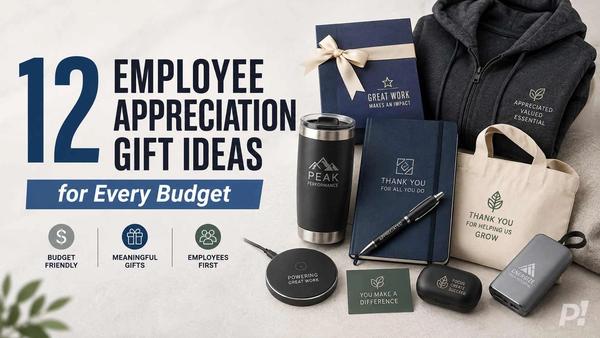
12 Employee Appreciation Gift Ideas for Every Budget
Looking for employee appreciation gift ideas that fit any budget? This list of 12 bulk promotional gifts covers everything from custom water bottles to tech accessories, helping you show gratitude without breaking the bank.
Best Trade Show Giveaways for 2026 That Actually Work
Trade shows are one of the most expensive marketing investments most companies make, yet the majority of giveaways handed out at these events are forgotten before attendees even leave the building. Th…
Go Long at Your Next Tailgate with the 6 Inch Mini Plastic Footballs
As you saw in the video, these 6" plastic mini footballs feature your logo in a way that demands attention. These mini footballs are perfect for tailgates, pep rallies, or trade show giveaways. These…
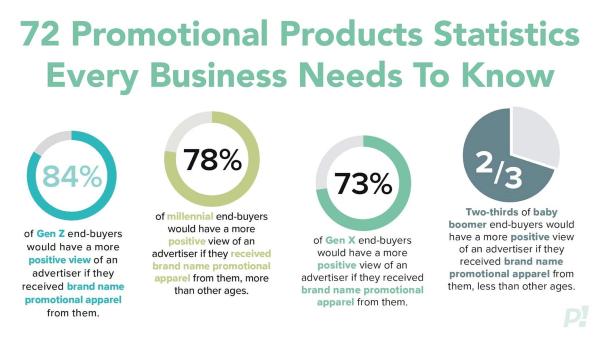
72 Promotional Products Statistics Every Business Needs To Know (2025+ Data)
If you want your marketing dollars to work harder, you need to understand what actually influences your audience. The latest research from 2025 and newer studies shows that promotional products are…
10 Ways to Combine Promotional Products and AI
Promotional products have always been a powerful way to keep your brand in front of customers. But there has always been one major limitation. You could not easily track what happened after you…
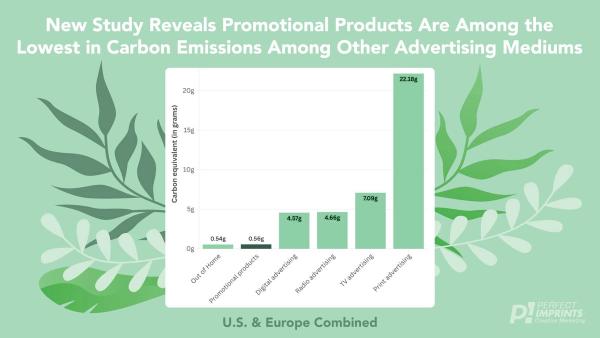
New Study Reveals Promotional Products Are Among the Lowest in Carbon Emissions Among Other Advertising Mediums
There has been a long-standing belief in marketing. Digital advertising is cleaner. Physical products create more waste. Therefore, promotional products must have a larger environmental impact. New…