When ordering custom bags, start by evaluating the primary use case. A trade-show giveaway demands a bag that is lightweight, affordable, and easy to fold. The Budget Backpack or a simple tote works well here. For employee gifts or client appreciation, consider a higher-end option like the Executive Tote or Weekender Duffle. These bags use thicker materials and reinforced stitching, which convey quality and last longer. The material also determines how well the bag holds its shape and how much weight it can carry. Canvas and cotton are breathable and durable; jute is eco-friendly but less structured; nylon and polyester are water-resistant and great for sport bags.
Decoration and Customization
Screen printing is the most common decoration for cotton and canvas bags, offering vibrant colors at a low per-unit cost for large runs. For full-color logos or photographic images, full-color heat transfer or sublimation works best on polyester blends. Embroidery adds a premium feel and works well on structured totes like the Executive Tote or on backpack panels. When choosing a decoration method, consider the bag material and the level of detail in your logo. Simple one- or two-color designs are cost-effective and quick to produce. Complex artwork may require a more expensive process but can make the bag stand out.
Quantity and MOQ Considerations
Bulk custom bags orders typically start at 100–250 units, depending on the style and decoration method. As order quantities increase, the per-unit price drops significantly. For promotional bags used at large events, ordering 500 or 1,000 pieces is common. Wholesale custom bags pricing often includes setup fees for the first order, but many suppliers waive those for repeat orders. If you need a smaller quantity for a team or VIP client, look for stock bags that can be decorated with a lower minimum. Always confirm the MOQ for your chosen bag and decoration combination before finalizing the design.
Common Mistakes to Avoid
One frequent mistake is ordering bags without considering the handle length. A tote with short handles may not sit comfortably on the shoulder, reducing its usefulness. Similarly, a backpack with thin straps can dig into shoulders when loaded. Always request a sample or review detailed dimensions before placing a bulk order. Another pitfall is choosing a material that doesn’t suit the intended use. For example, a jute bag may not hold heavy items well, and a nylon duffle may not breathe for gym clothes. Finally, account for lead time: decorated bag orders often take 2–4 weeks, so plan ahead for event deadlines.
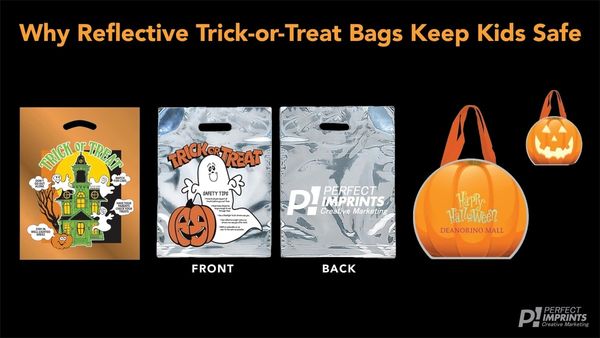
Personalized bags for employee gifts or customer loyalty programs work best when the bag aligns with the recipient’s lifestyle. A grocery tote is practical for everyday shopping, while a sport bag suits a fitness-focused audience. Logo-printed bags with a clean, subtle design feel more professional and are more likely to be used in public. For safety programs, consider bags with reflective strips or high-visibility colors. By matching the bag style, material, and decoration to your audience, you maximize the return on your promotional investment.